

Uganda's National Content Regulations require oil and gas contractors to give preference to Ugandan companies and citizens.
Registered with the Uganda Registration Services Bureau, tax-registered, and registered on the National Supplier Database held by the Petroleum Authority of Uganda.
Our operators, riggers, banksmen, drivers, technicians and HSE officers are Ugandan, recruited and certified here. Our personnel network is built to put more of them in front of the projects that need them.
Where a project is in a host district, we recruit into the crew from that district wherever the certification and competence requirements can be met, and tell you when they cannot.
Parts, tyres, fuel, workshop services and consumables bought locally where the specification allows.
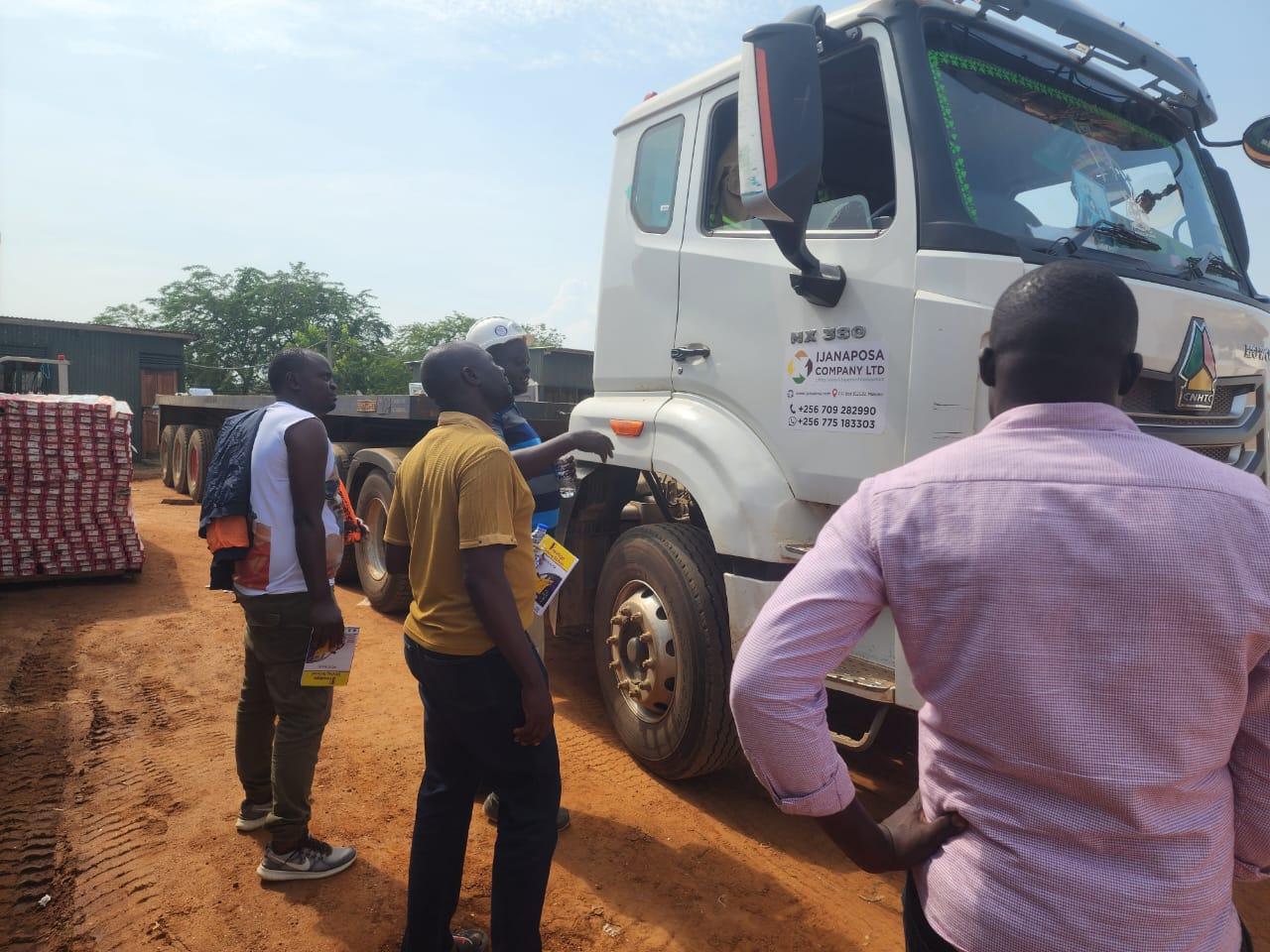
Uganda's energy and infrastructure work needs more certified crane operators, riggers, banksmen, lift supervisors and heavy haulage drivers. We work on that from three directions.
Induction, toolbox talks, refresher training and supervised time on unfamiliar machines, with certification tracked to its expiry.
Vetting operators and drivers who are already competent but have no way of proving it to a project's HSE team, and putting the evidence behind them.
Site induction, risk assessment, lifting and rigging awareness and driver training, delivered to client crews as well as our own.
The full regime is on our HSE page.
Bunded storage, drip trays, spill kits on the machines most likely to leak, and a spill response every crew is briefed on.
Used oil, filters, batteries, tyres and contaminated material go to handlers licensed by the National Environment Management Authority, with the transfer documents kept. We check every waste handler's NEMA licence.
Service intervals set against hours and kilometres run. A poorly maintained engine burns more fuel and smokes more, so maintenance is the main control we have.
Access routes and crane pads agreed before mobilisation, so machines do not cut new tracks through cultivation or wetland margins.
Speed limits on murram approaches, engines off when standing, and night work only where the client has cleared it with the community and the authorities.
The National Environment Act 2019 and NEMA's regulations, and the conditions of a client's approved environmental and social impact assessment where we are working on their site.
We plan heavy and abnormal moves with the road authority and the client, and time them to avoid market days, school opening and closing times, and the worst of the rain on unsealed roads where we can.
Where a move or a lift will block access, we tell the local council and the affected households before the day.
If our load damages a road, a culvert or a boundary, we report it and put it right.
Anyone affected by our work can call or WhatsApp us, and we log and answer it like a client complaint. On projects that run their own community grievance mechanism, we work through that as well.
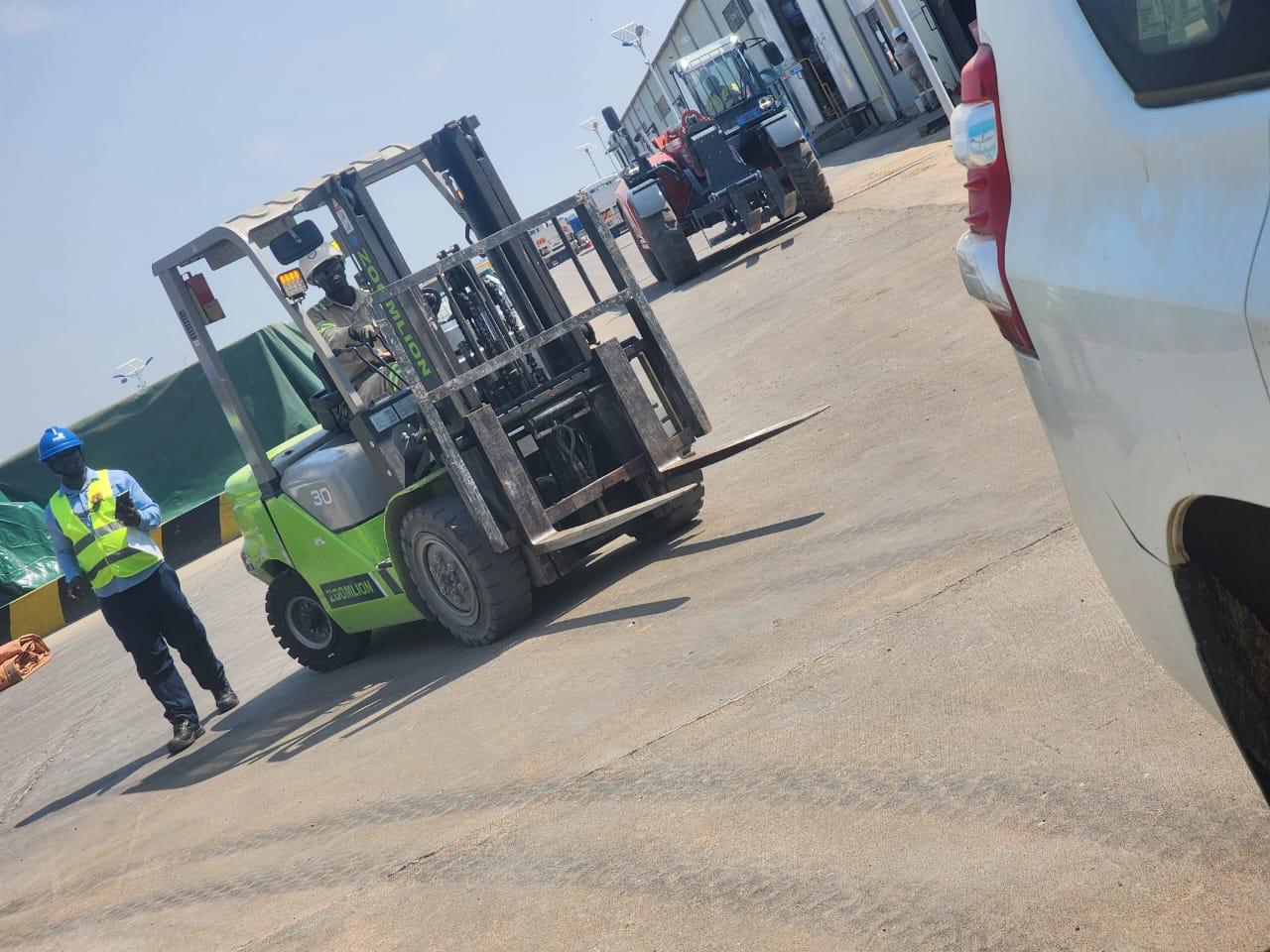
What we undertake towards the people who work for us and through us.
What that means in practice is at Health, safety and environment.
Employees and network personnel work on written terms, under the Employment Act 2006.
We carry workers' compensation insurance as the Workers' Compensation Act requires.
Competence, certification and fitness for the work.
In our own operations, and from our suppliers.
We will publish these once we have a full period of data.
What your local content obligation is measured on.
Skills that stay in the country whether or not the person stays with us.
What we bought and who we hired where the work was.
The number behind Zero Harm.
The only environmental figure we can evidence with documents.
Our best measure of emissions for a fleet business.

If you need a Ugandan lifting or haulage subcontractor and your contract carries national content obligations, tell us what you have to evidence and we will send what we hold.
Josephine House, 2nd Floor, Kayunga–Bugerere Road, Mukono. P.O. Box 152539, Kampala, Uganda.
Cookie preferences